
Understand
Start with what you have
We look at the work, people and context—whether that means records and workflows or characters and a world to develop.
Romy Randev · BIGGFISH
Some projects are useful products; others are illustrated worlds. BIGGFISH brings art direction, systems thinking, interface design and software into one practice for both.
01 About me
I came to software through architecture, art and film, and that mix still shapes how I work. I hold a Bachelor of Arts and a Master of Architecture, and I have been working in digital media and video for 30 years.
Over the years I have designed and delivered digital projects with companies and organizations including Autodesk, Microsoft, Disney, Pixar, Delphi Glass, Parks Canada, Government of Canada, the U.S. Market Access Center and ACM SIGGRAPH. Alongside apps and websites, I have made short films, music videos, Kickstarter videos and promotional videos. I have also worked in fused glass for 15 years, so I understand specialist tools from both sides: as a developer and as an artist who depends on them.
My work has been featured in the San Francisco Chronicle, the L.A. Times, Corning New Glass Review, Ottawa Magazine and other publications. BIGGFISH brings that range of knowledge and experience to clients who need visual work made both distinctive and usable.
For product work, we can define the structure and build the experience. For creative work, we can shape the art direction and translate a collection into a coherent digital presence.
My glass-art practice at Looma Studios is another part of that story: making with colour, light and physical material informs how I design tools for other makers.

Understand
We look at the work, people and context—whether that means records and workflows or characters and a world to develop.

Shape
Art direction, structure and interface design can make a collection coherent without sanding away what makes it specific.

Make
Strategy, visual direction and implementation stay connected as a product takes shape or a creative world comes online.
02 AI in the practice
I use AI throughout my work, from research and early concepts to design, video, motion graphics, animation, coding and web design. It helps me explore more directions and make them tangible; the idea, selection and final human judgment remain mine.
Over the past year I have worked hands-on with Hermes Agent to coordinate research, content and AI-assisted product work. My wider toolkit includes Claude, Claude Design, ChatGPT, Grok, ElevenLabs and Midjourney. I use these tools across visual exploration, storytelling and interface work, then review and refine the output rather than treating a generated result as finished work.
For web design and coding, I pair AI assistance with my own direction, implementation review and browser QA. In visual work, I use it alongside established art, film and motion processes, choosing the right technique for the project instead of making AI the aesthetic.
AI-supported work / selected examples
The links below show the products and visual work. AI supports the creative and technical process; these are not claims that the finished imagery was generated by AI.
Human-directed, AI-assisted concept, content, interface and web work across the Portal, Palette, Template Studio, Kiln Schedule Designer and studio app. Explore the connected family and each product’s working interface.
This site is itself an example of AI-assisted web design and coding: the identity and editorial direction remain mine, while AI helps move from design exploration to implementation and browser review.
AI supports the human-directed design and web implementation process for its identity, public scanner experience and owner-facing product. The work shown is a controlled beta, not a claim of a finished commercial rollout.
AI-assisted web design and coding help bring the searchable archive, character builder, lore and games online. That current website work is distinct from the original character artwork and historical collection.
In 2023 I made a separate reinterpretation of the Cardano portraits in Midjourney: fifteen selected studies, a poster and three image-cycling videos. The original collection artwork remains credited to Dotstruction Studios.
Selected platform work
Material platform
Connected learning, visual material data, colour, template, firing and studio-reference products for glass artists.
Explore the family →Material selection
A planning tool for comparing color, compatibility and exact glass choices.
See how it works →Visual record system
Living pages attached to physical objects and places through durable scannable labels.
See how it works →Selected creative work
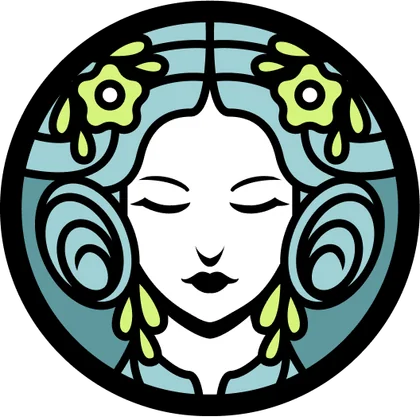
Illustrated series
Research, art direction and production by Romy Randev; artwork by Dotstruction Studios.
View the series →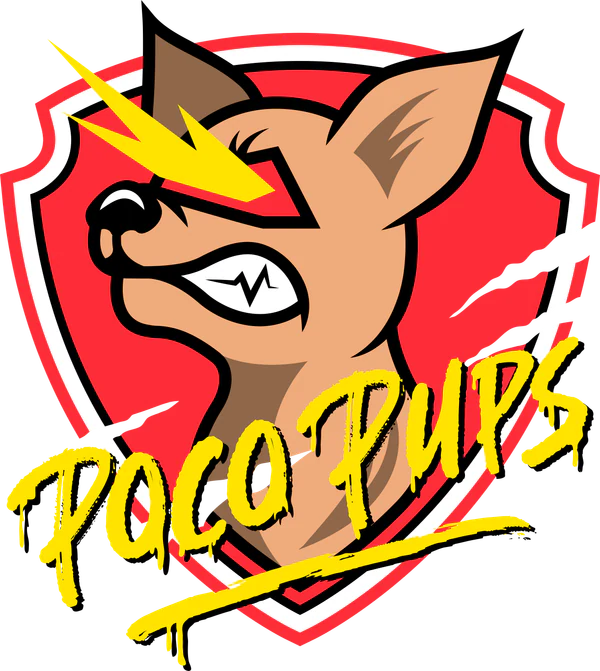
Character world
Creative direction, character-system design and an interactive archive for an illustrated collection.
Explore the world →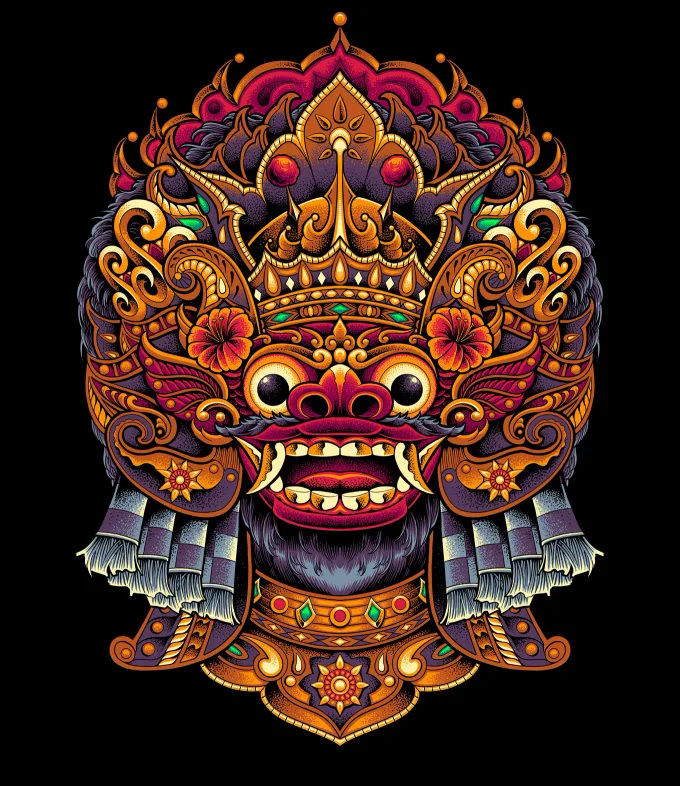
Illustrated collection
Art direction and production by Romy Randev; illustrations by Rahadil Hermana.
View the collection →03 Start a conversation

The best first conversation is about what you are making, who it is for and where the work needs to go next—whether it is a platform, an illustrated world, or a little of both.
Tell me what exists already, what you want to make and what you would like help shaping. A short note is enough to begin.
Start a conversation