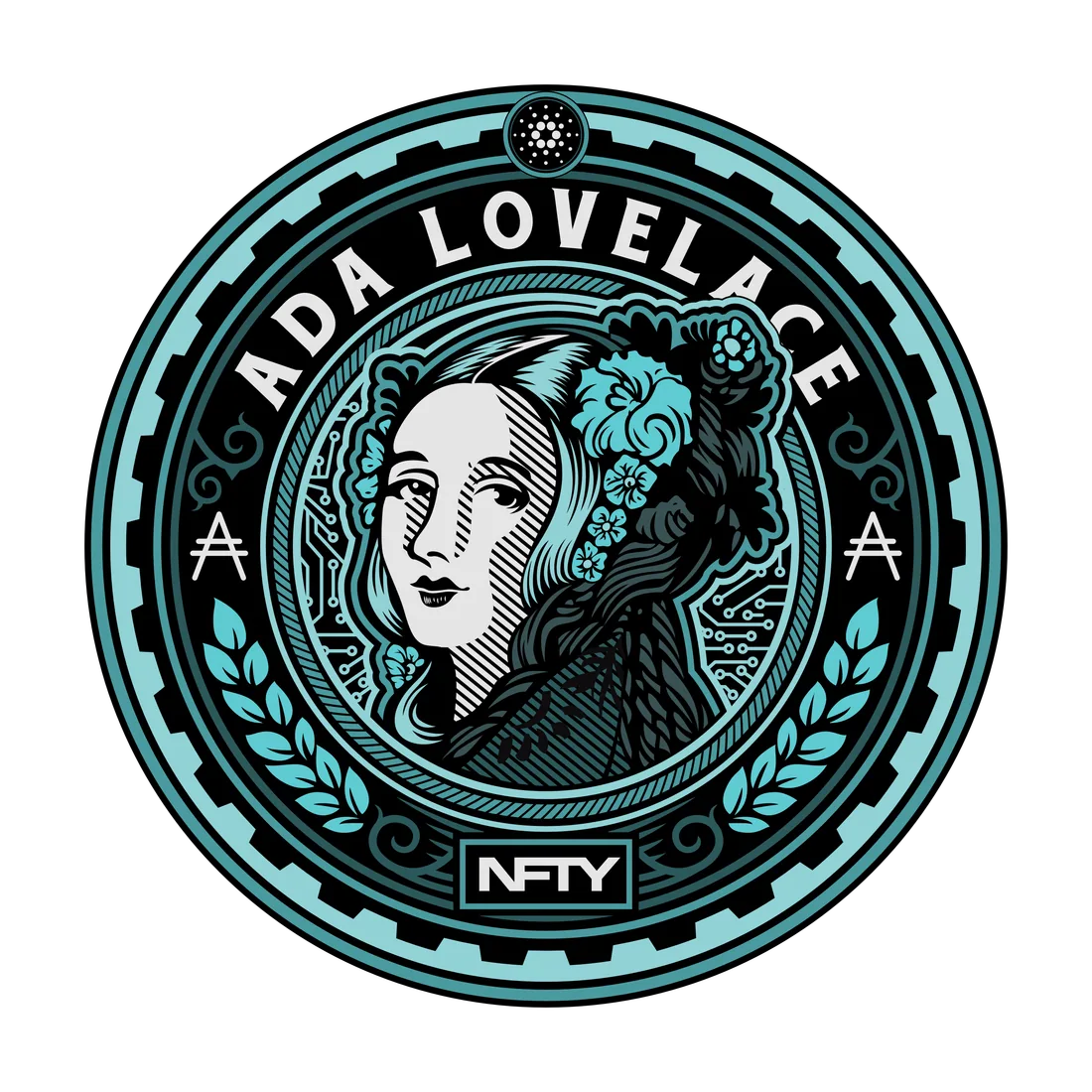
Ada Love / Series 1
Ada Lovelace
Ada, Cardano’s native currency, takes its name from the mathematician Ada Lovelace. The smallest unit of the currency is a lovelace, extending that tribute into every transaction.[2]
The Cardano Series / Ada Love / The Cardano Series 1
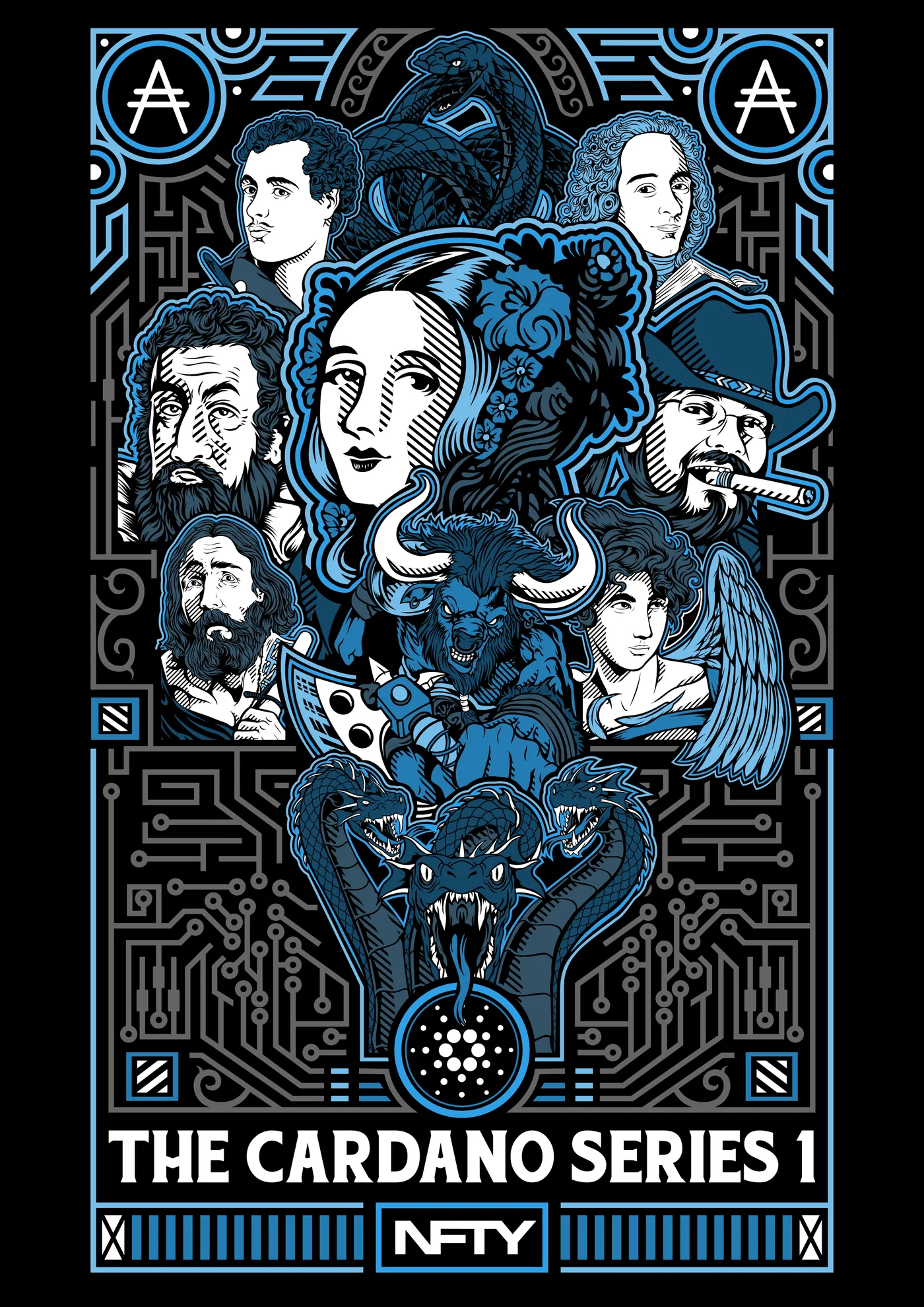
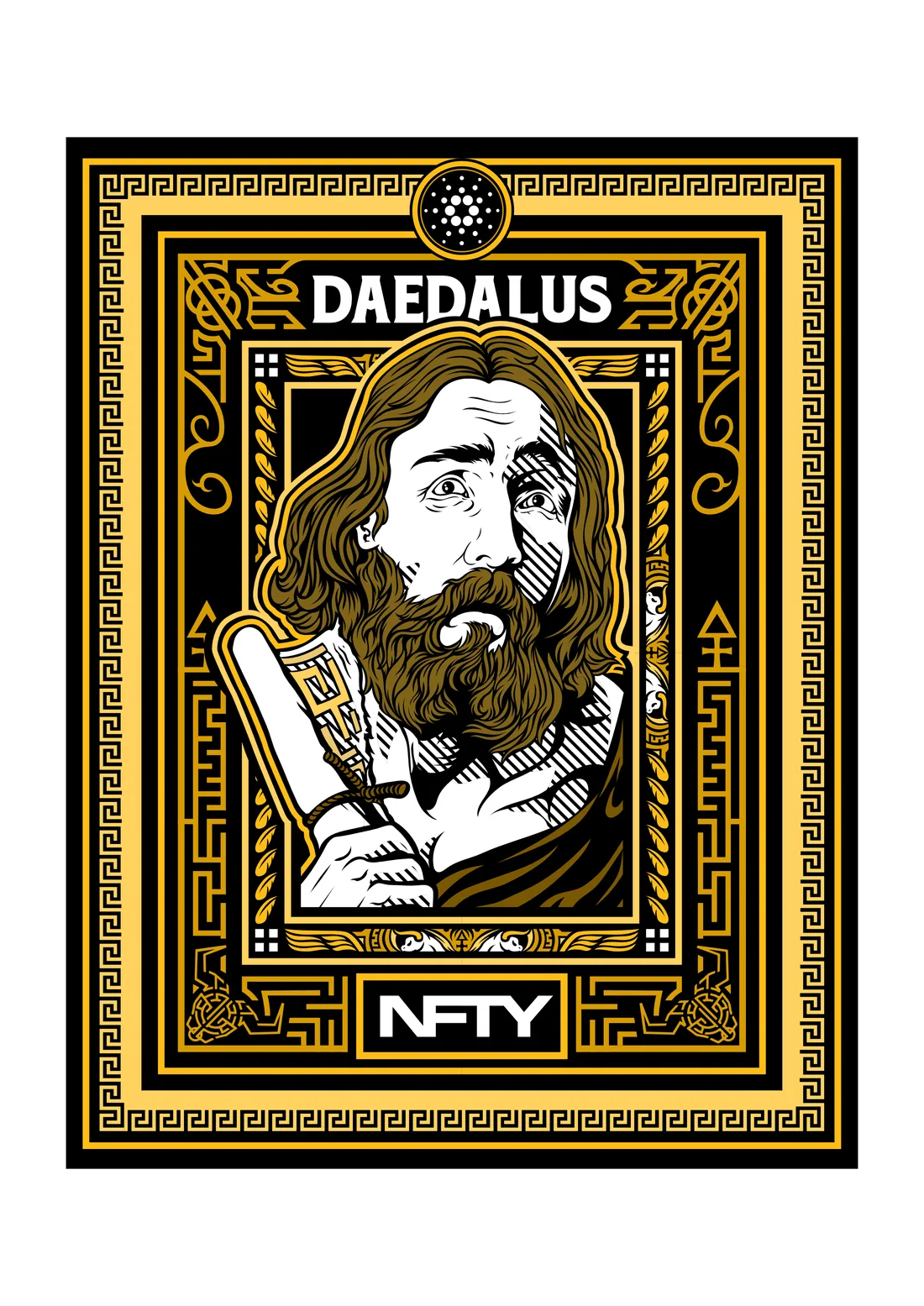
The first group brings founders, software names, historical figures and myth into one illustrated portrait language.
Research, art direction and production by Romy Randev. Artwork by Dotstruction Studios. Originally created as an illustrated NFT series; presented here as archived creative work.
01 / Ten portraits
The first group brings founders, software names, historical figures and myth into one illustrated portrait language. Each portrait retains the named connection that informed it.
Ada Love / Series 1
Ada, Cardano’s native currency, takes its name from the mathematician Ada Lovelace. The smallest unit of the currency is a lovelace, extending that tribute into every transaction.[2]
Ada Love / Series 1
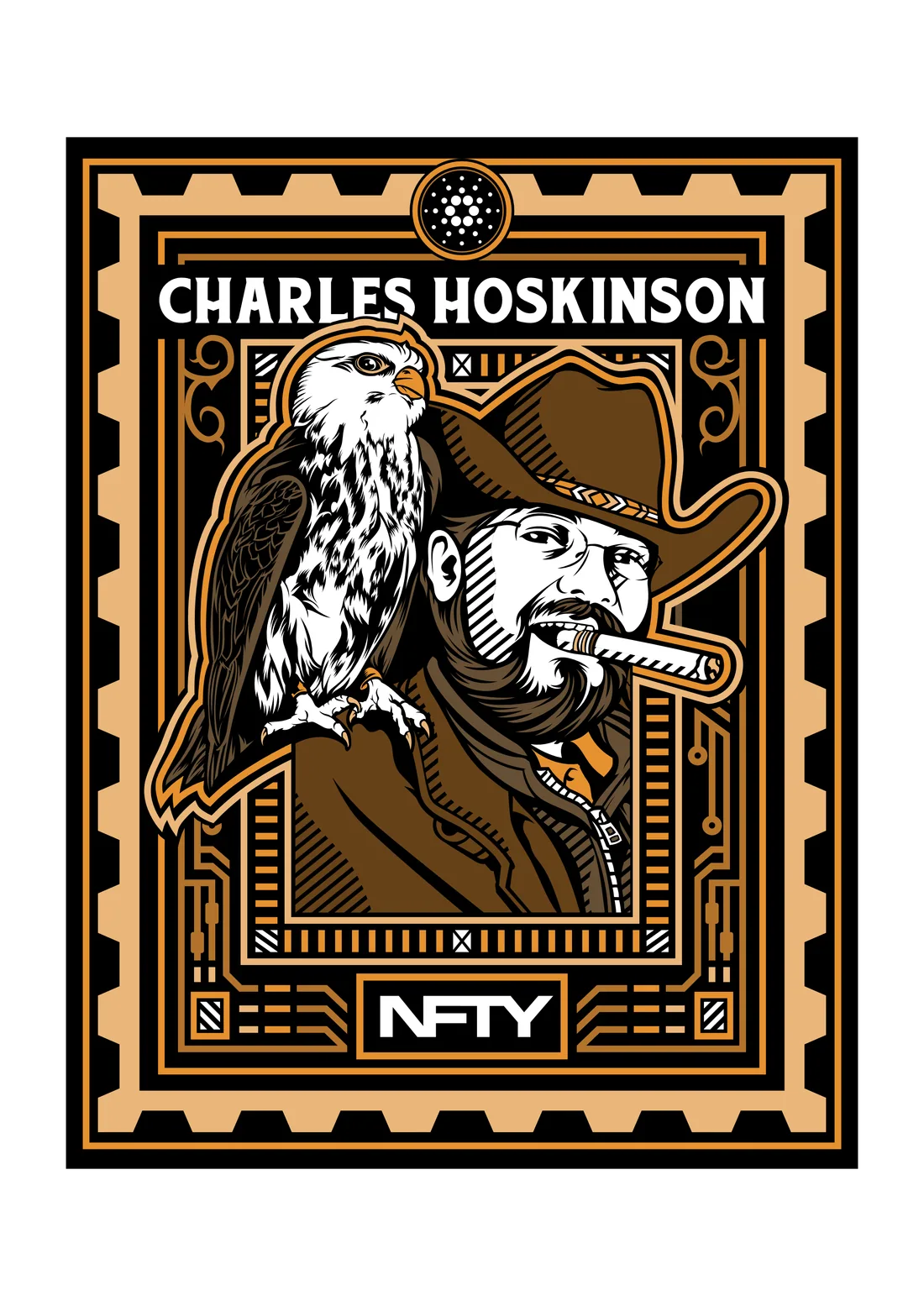
Charles Hoskinson started Cardano with Jeremy Wood. His role in defining and developing the project makes him a contemporary figure among the historical names in the collection.[2]
Ada Love / Series 1
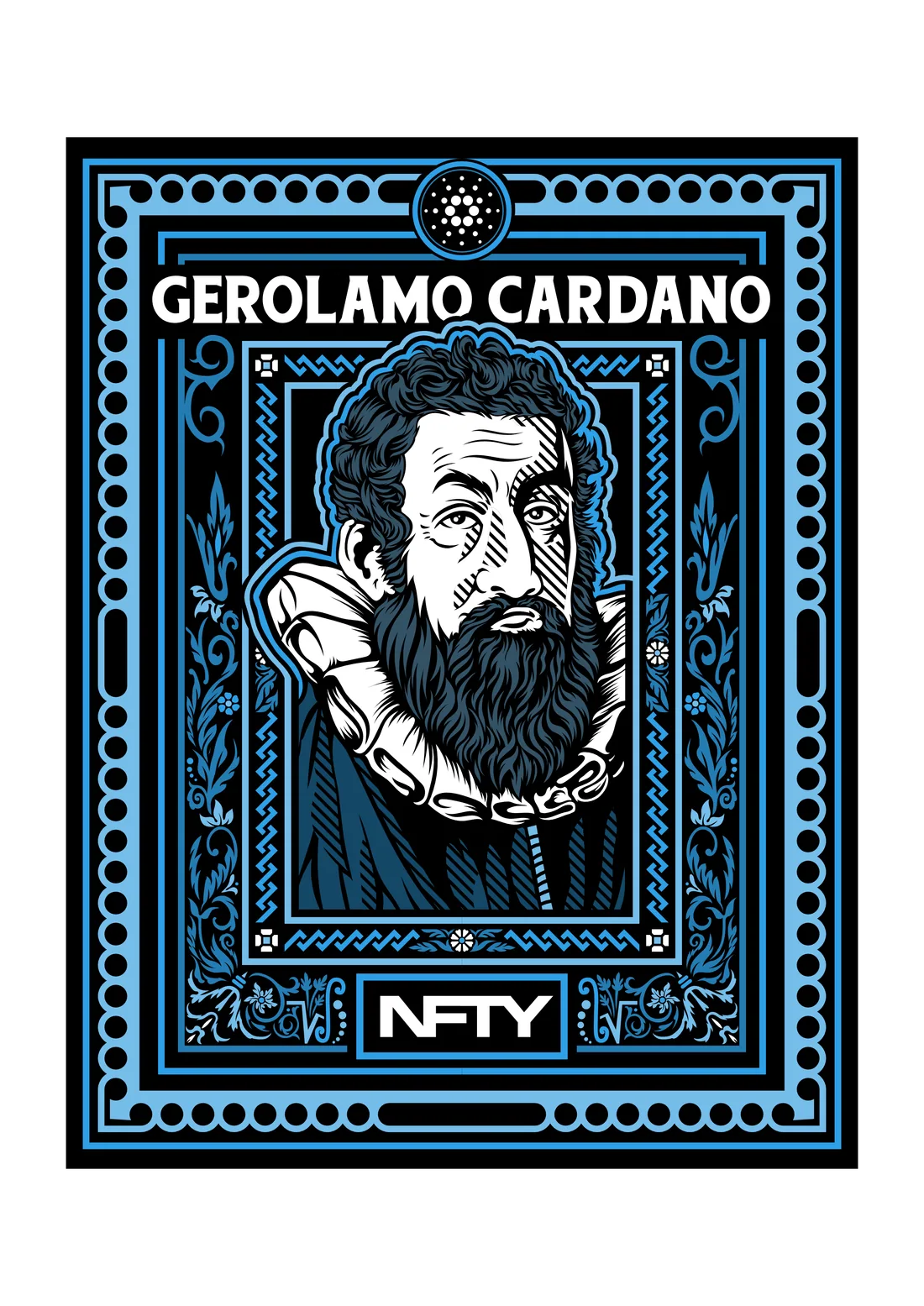
The blockchain itself is named for Gerolamo Cardano, a sixteenth-century Italian physician and mathematician. His portrait returns to the person behind the network’s name.[3]
Ada Love / Series 1
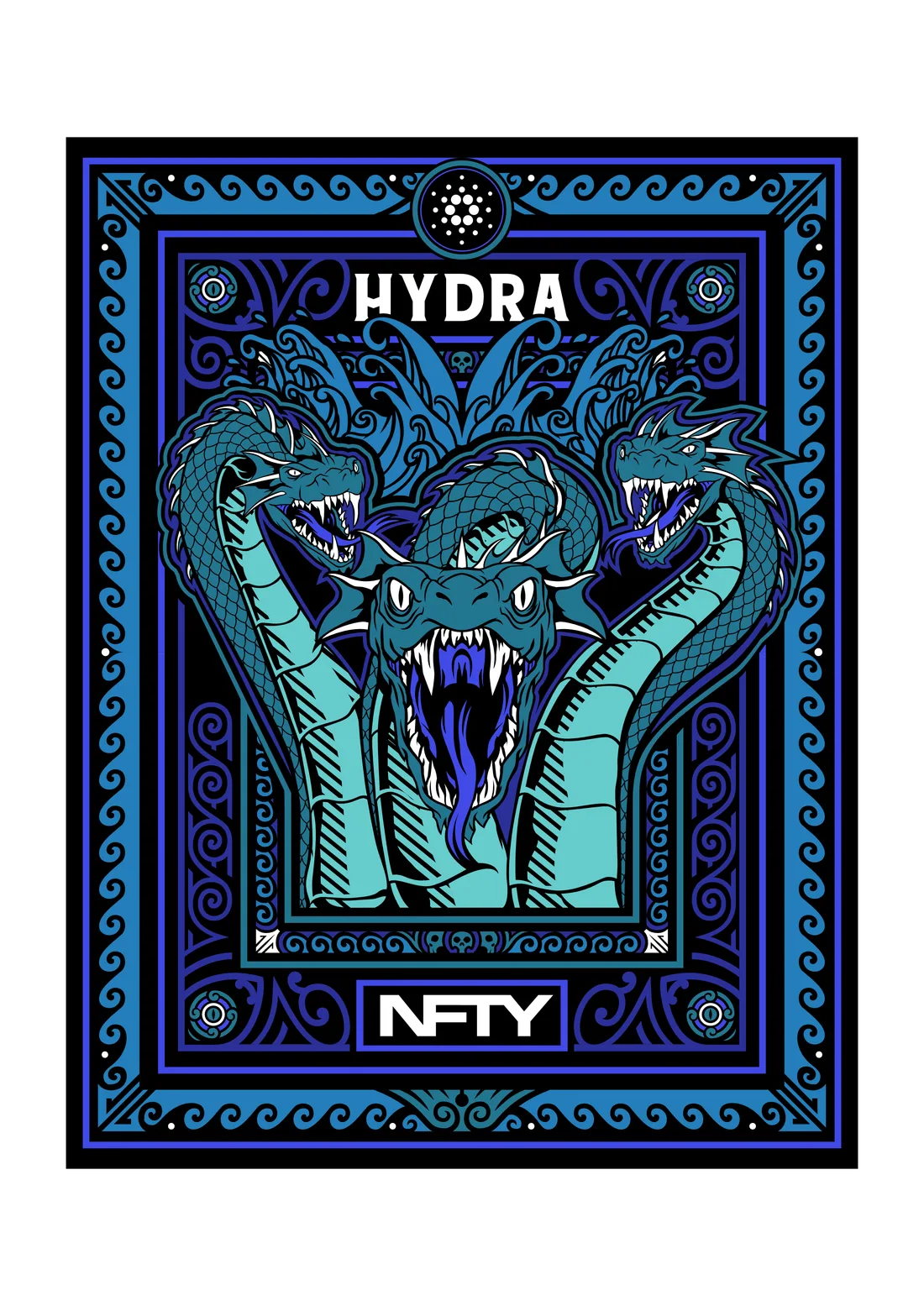
Hydra names Cardano’s family of layer-two scaling protocols. Its first implementation, Hydra Head, lets participants transact in an off-chain ledger before settling the final state on Cardano.[7]
Ada Love / Series 1
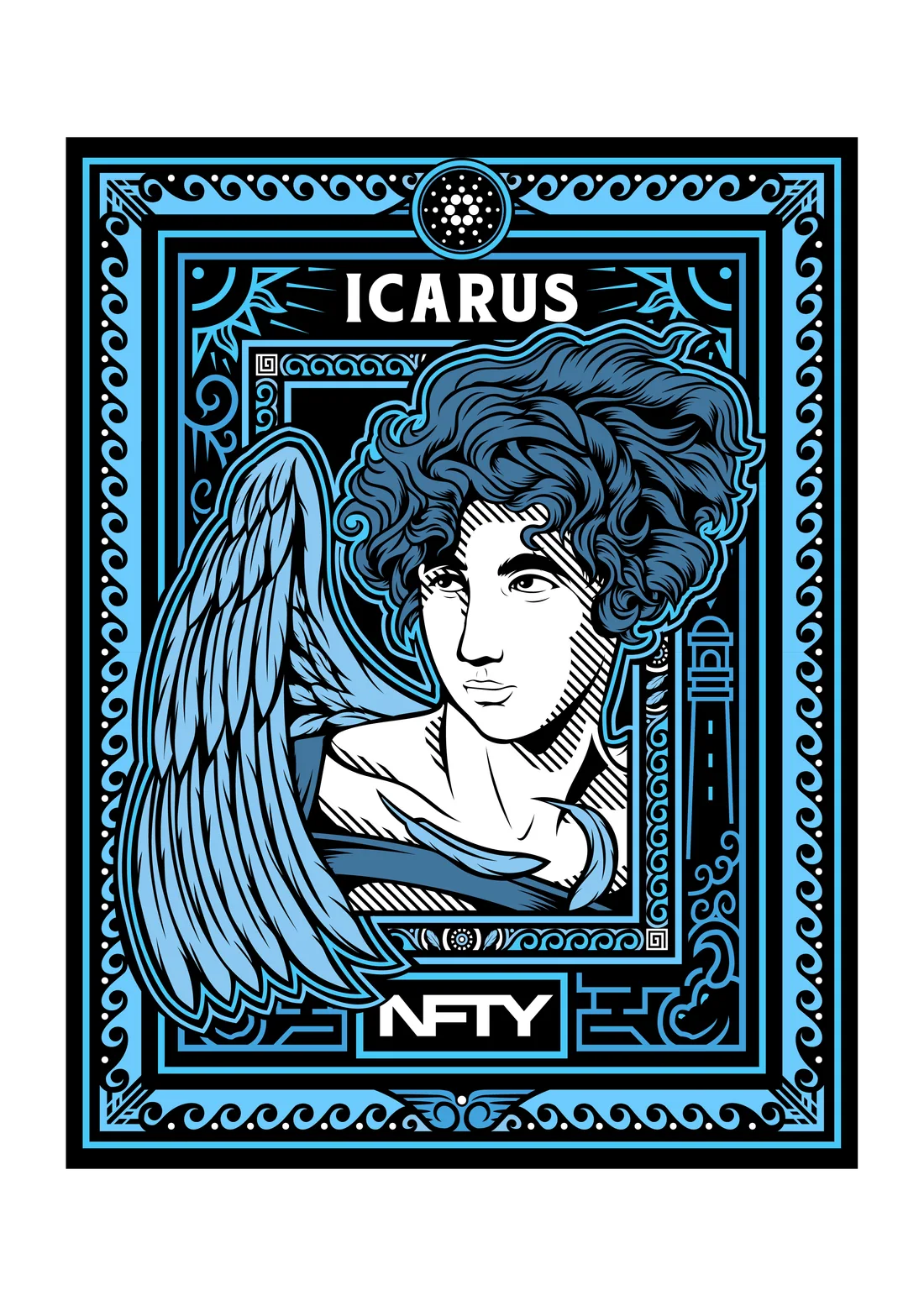
Icarus was Input Output’s open-source reference implementation for a lightweight Cardano wallet. Its code helped make lighter browser and mobile wallets possible without running a full node.[8]
Ada Love / Series 1
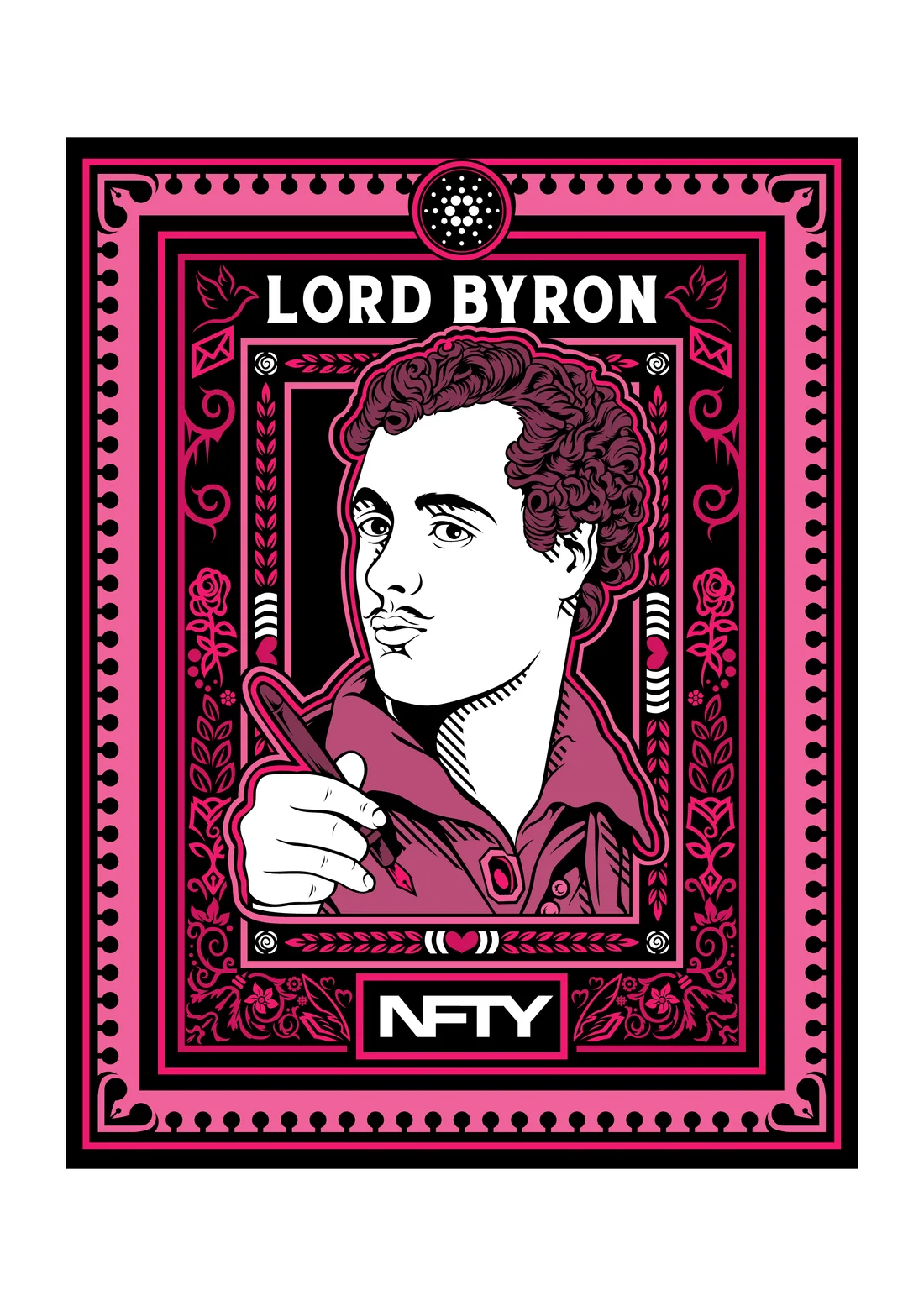
Byron names Cardano’s founding development phase and first ledger era. The portrait places the poet beside the earliest chapter of the network’s software history.[1]
Ada Love / Series 1
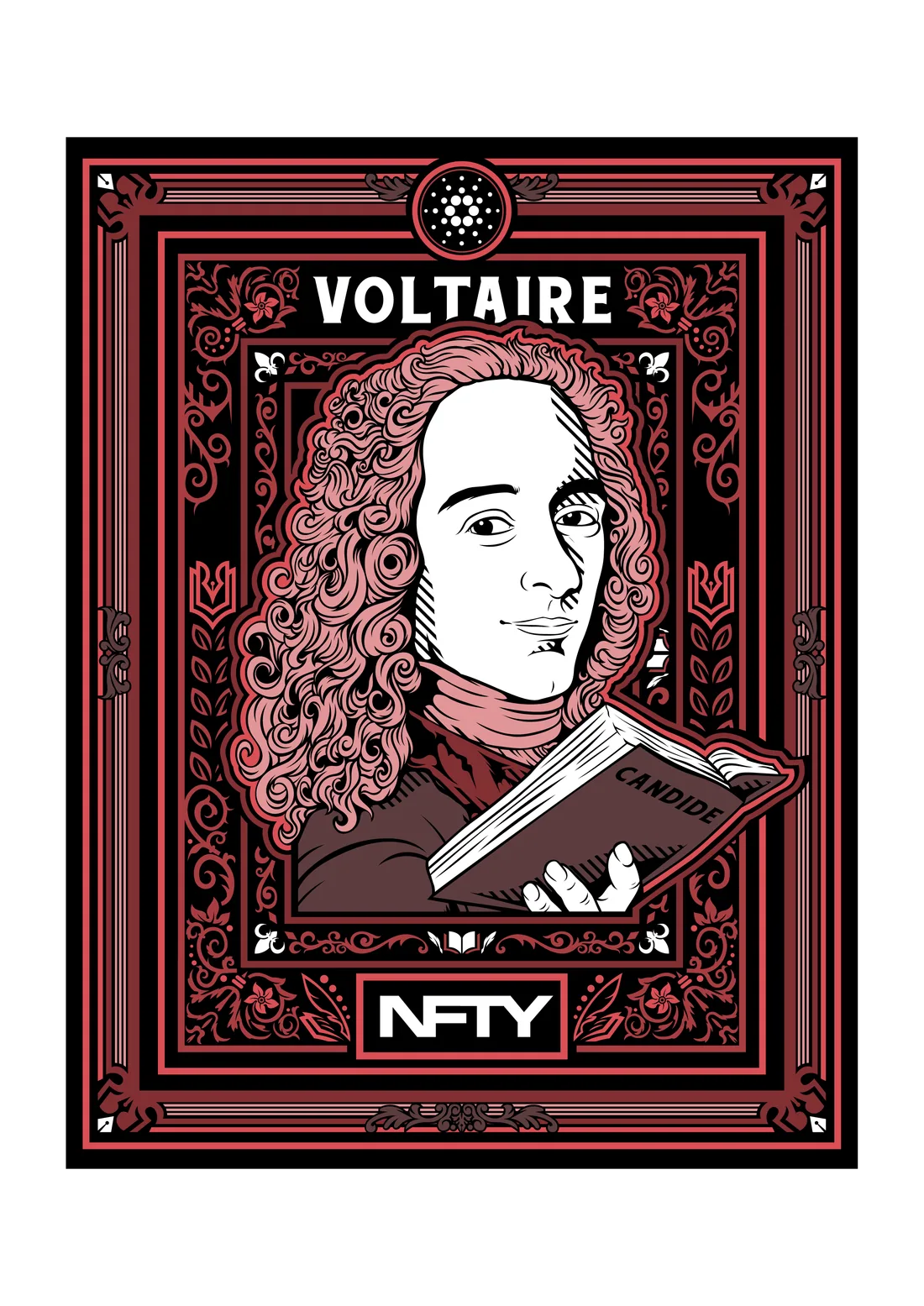
Voltaire names the development phase devoted to Cardano’s governance and treasury. The figure shifts the story from building the network to deciding how its community can change it.[1]
Reading notes
These references support the Cardano names and technical context. The artwork and Romy’s contribution come from the supplied collection and his account, not from these sources.